Veterinary radiographs (x-rays) are a valuable diagnostic tool frequently used to assess internal structures including bones, organs and even teeth. Burr Ridge Veterinary Clinic uses digital imaging technology to detect anatomical and dental abnormalities either with radiographs or ultrasound. Digital imaging technology allows us to review the resulting images quickly and send them electronically to referral specialists or to a board-certified radiologist for additional review without delay.
Anatomical
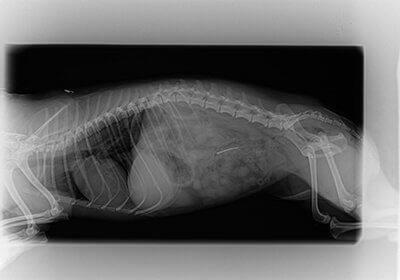
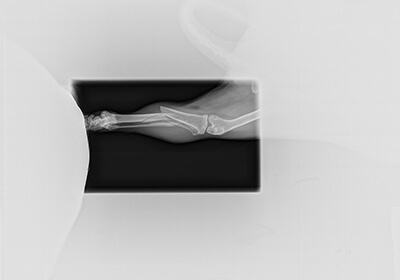
Anatomical radiographs help our doctors determine if a pet has skeletal or soft tissue injuries or diseases, foreign material in the gastrointestinal system, bladder stones and chest or abdominal tumors among many other conditions.
Dental
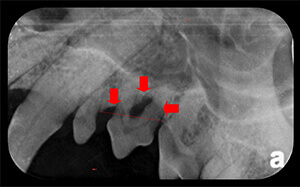
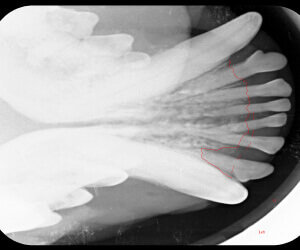
Dental radiographs document tooth decay, dental injuries such as a fractured tooth or broken tooth root, and growths on the gums, under the tongue or elsewhere in the mouth. They can also help our doctors identify congenital abnormalities of the teeth.
Ultrasound
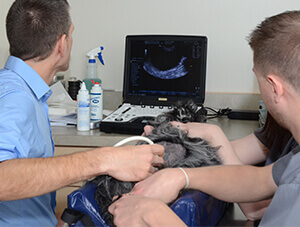
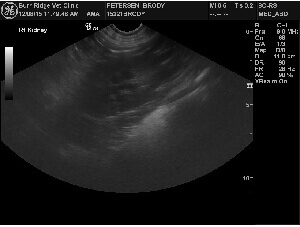
Digital ultrasound equipment allows our doctors to examine internal organs including the liver, spleen, heart, bladder, and kidneys and to extract urine in a sterile manner for culture or additional testing. Ultrasound imaging uses sound waves to assess internal organs.