Lab Services
Laboratory tests are used to diagnose a wide range of pet health issues. This includes derangements of blood cell counts or internal organ dysfunction, inflammatory and infectious disease, endocrine illnesses and cancers among many other conditions.
Bloodwork
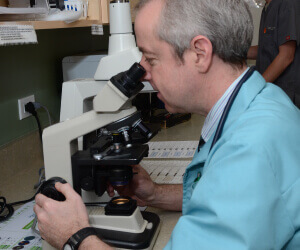
BRVC uses modern veterinary lab equipment to measure complete blood counts, internal organ function testing, electrolytes and blood sugar levels. Results are available rapidly which allows our doctors to review findings during appointments or before surgery. We work closely with local commercial veterinary laboratories and university veterinary labs when we’re checking thyroid, endocrine and additional liver functions, infectious diseases including leptospirosis, Ehrlichia and Lyme, and parvo and distemper vaccine titers
Urinalysis
Our in-house urinalysis equipment helps BRVC’s doctors identify infection or inflammation, kidney dysfunction, diabetes or the presence of bladder stones. Cultures and other more complex urine diagnostic samples are transferred to a local commercial veterinary laboratory twice daily and results, with the exception of urine cultures, are typically available rapidly.
Fecal Testing
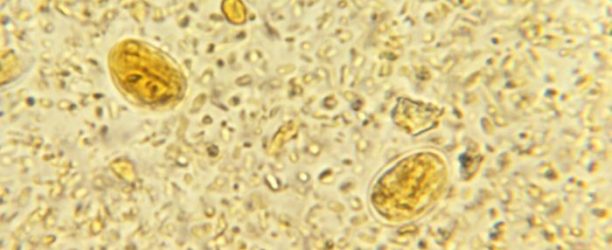
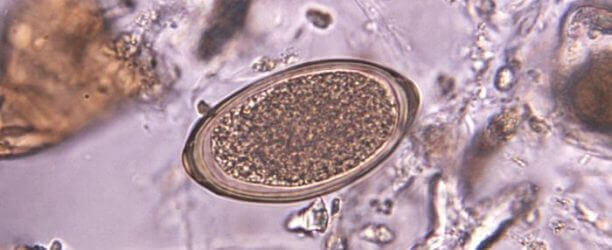
BRVC’s veterinary technicians have been trained to detect intestinal parasites, including roundworms, hookworms, whipworms, coccidia and giardia in fecal samples and can provide results at the time of an appointment. We also use a local commercial veterinary laboratory to process routine samples with results returned to us within 24 hours.
Biopsy and Cytology
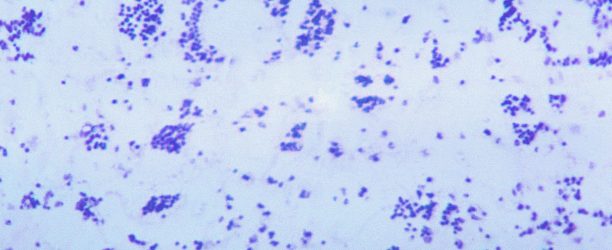
Cytology for ear and skin infections are completed at the time of examinations to guide treatment. The doctors will obtain a sample from your pet and examine it under the microscope to determine appropriate care. A fine need aspirate may be obtained from growths or masses to determine their origin. This non-invasive procedure can be completed without sedation and can often determine the cause of these growths. The doctor will use a small needle to remove cells from the growth and examine these cells under the microscope. From time to time, our doctors may decide to send samples to a board-certified pathologist to confirm their findings. Samples of tissue, bone and organs removed during surgery are submitted to a board-certified pathologists for analysis followed by a written report that guide ongoing care.